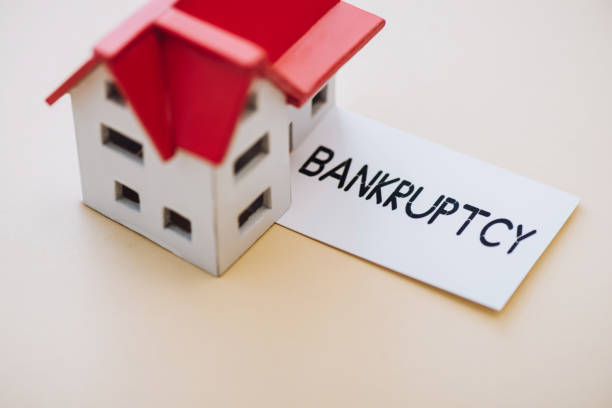
For homeowners facing bankruptcy, this is often the first and most urgent question: “Will I lose my house?” The answer is not a simple yes or no — it depends on your equity, your chapter choice, your state’s laws, and whether you’re current on your mortgage.
The Homestead Exemption
Every state offers a homestead exemption that protects a certain amount of home equity in bankruptcy. States like Florida and Texas offer unlimited homestead exemptions. Others, like California, offer more limited protections. Your equity beyond the exemption amount is what the bankruptcy trustee is interested in.
Keeping Your Home in Chapter 7
If your home equity falls within your state’s homestead exemption, a Chapter 7 trustee likely won’t touch it. You’ll also need to remain current on your mortgage — the bankruptcy discharge eliminates your personal liability for the debt, but the lender’s lien on your home remains.
Keeping Your Home in Chapter 13
Chapter 13 is the preferred route if you’re behind on mortgage payments. The repayment plan can include catching up on missed payments over 3 to 5 years, which stops foreclosure in its tracks from the moment you file.
The relationship between bankruptcy and homeownership is complicated but navigable. An experienced bankruptcy attorney can map out exactly what you stand to keep based on your specific state, equity position, and financial situation.