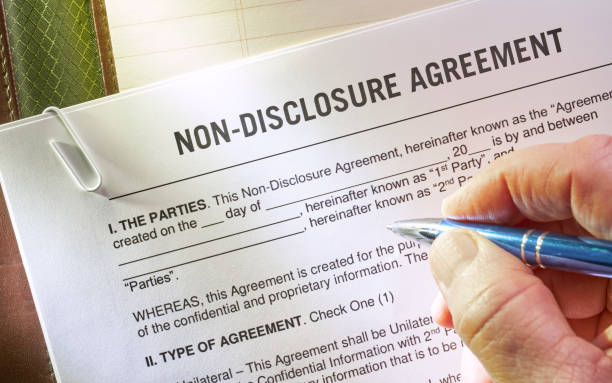
Non-disclosure agreements (NDAs) have become so common in the business world that many people sign them reflexively without fully understanding what they’re agreeing to — or whether the document actually protects anything meaningful.
What an NDA Actually Does
An NDA is a legal contract that prohibits one or both parties from sharing specified confidential information with third parties. Violating an NDA can expose the violating party to monetary damages, injunctions, and in some cases, criminal liability.
When You Should Use an NDA
- Sharing a business idea, invention, or proprietary process with a potential partner
- Hiring contractors or employees who will access customer data or trade secrets
- Entering early-stage acquisition or investment discussions
- Sharing unreleased product designs or software code
When NDAs Are Often Unnecessary
You probably don’t need an NDA for a general business meeting, a vendor providing a commodity service, or publicly available information you’re simply aggregating. Asking someone to sign an NDA for a routine coffee chat can actually damage professional relationships.
The most important thing is that your NDA clearly defines what information is covered, for how long, and what counts as a breach. Vague NDAs rarely hold up in court and give false confidence. Have an attorney review or draft any NDA protecting genuinely sensitive business assets.