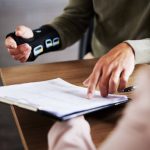
You slipped, fell, and got hurt on someone else’s property. Maybe it was a wet grocery store floor, an icy apartment parking lot, or an unmarked hazard in a restaurant. What you do in the hours and days after the incident determines whether you have a viable legal claim — or nothing.
Do This Immediately
- Report the incident to the property manager or store manager right away. Ask for a written incident report and get a copy.
- Document the scene with your phone camera: the hazard, surrounding area, any warning signs (or lack thereof), your shoes, and your injuries.
- Get the names and contact information of any witnesses.
- Seek medical attention the same day — even if you feel okay. Symptoms can intensify within 24–48 hours, and a gap in medical care will be used against you.
What You Have to Prove
Slip and fall cases are premises liability cases. You must prove: (1) a dangerous condition existed; (2) the property owner knew or should have known about it; (3) they failed to fix it or warn you; and (4) that condition caused your injury. Each element requires evidence.
The Comparative Negligence Issue
If you were wearing inappropriate footwear, ignoring warning signs, or distracted on your phone, the property owner’s attorney will argue contributory negligence. In most states, your compensation is reduced by your percentage of fault — not eliminated. This argument is defeatable with the right preparation and legal strategy.