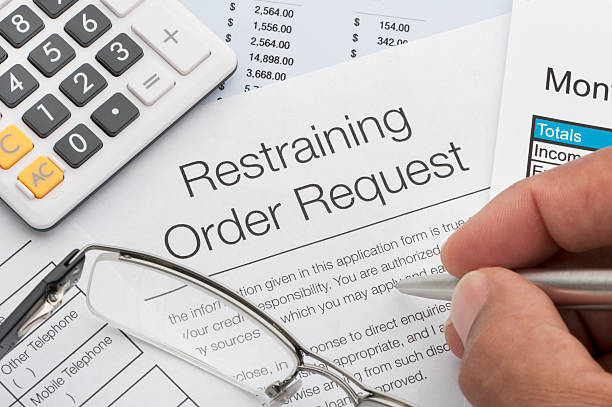
If you’re experiencing harassment, domestic violence, stalking, or threats, a restraining order (also called a protective order or order of protection) is one of the most important legal tools available to you. The process is designed to be accessible — you don’t need an attorney, though one can help.
Types of Restraining Orders
- Emergency Protective Order (EPO): Issued by police on the spot, lasting 3–7 days
- Temporary Restraining Order (TRO): Issued by a judge the same day you file, lasting until your hearing (typically 20–25 days)
- Permanent Restraining Order: Issued after a court hearing, lasting up to 3–5 years (renewable)
How to File
Go to your local courthouse and ask for the forms to file a protective order. You’ll fill out a declaration describing the abuse or threat in specific detail — dates, locations, what was said or done. Be as concrete as possible. The clerk will help you file, and a judge typically reviews your application the same day.
What Happens After You File
The restrained person must be formally “served” with the order. After that, law enforcement can enforce it. Violating a restraining order is a criminal offense — the protected person should call 911 immediately if it happens.
Your safety is the priority. If you’re in immediate danger, call 911. Filing for a restraining order can happen after you are safe.